Note: All Were Realtime Projects | Realtime Project Images

1] Production Monitoring :
IIoT 4.0

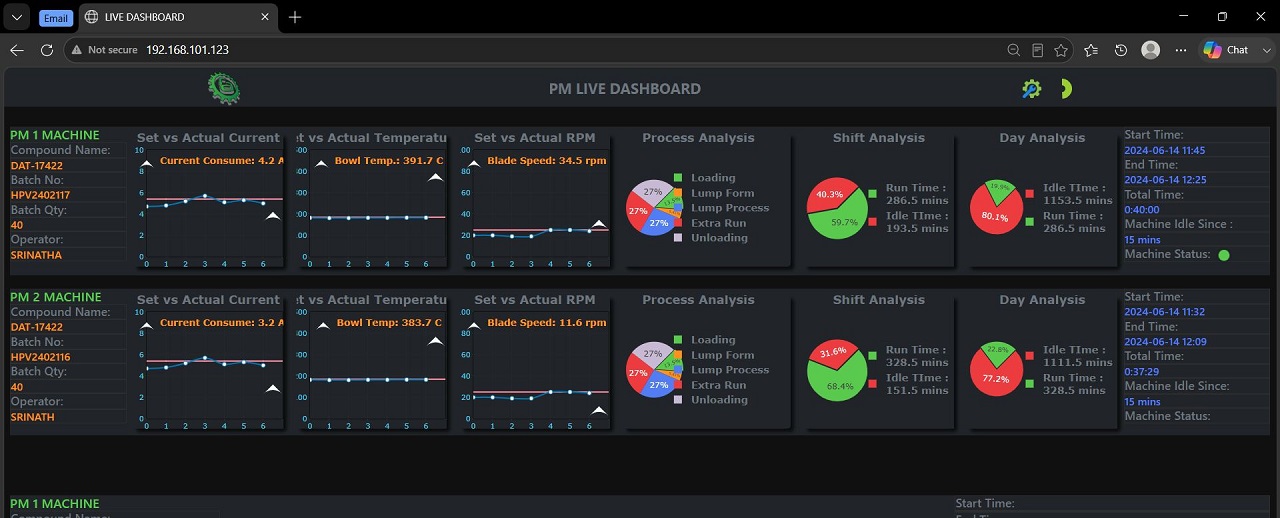
Industrial Internet of Things (IIoT) production monitoring uses connected smart sensors and software to track manufacturing performance, machine health, and output rates in real time
Key Metrics Tracked
Cycle times: Measures how long it takes to finish a single part or complete a task
Output rates: Tracks total items produced per hour or shift
Machine status: Identifies whether equipment is running, idle, or experiencing downtime
Error rates: Flags product defects or operational faults instantly
Energy consumption: Monitors power usage to spot waste and optimize costs
Core Components
Smart Sensors: Track machine health, temperature, vibration, and output quantity
Connectivity Protocols: Use networks like MQTT and OPC UA to move data safely
Edge & Cloud Computing: Process local alerts quickly at the machine level, then store big data on central cloud platforms
Dashboards: Show real-time performance metrics like Overall Equipment Effectiveness (OEE) on screens or mobile alerts
Key Benefits
No Manual Work: Eliminates paper logs and manual report creation
Predictive Maintenance: Spots wear and tear early to stop unexpected machine breakdowns
Instant Visibility: Sends phone or email alerts the moment a production bottleneck or error happens
2] Factory Safety Monitoring :
IIoT 4.0

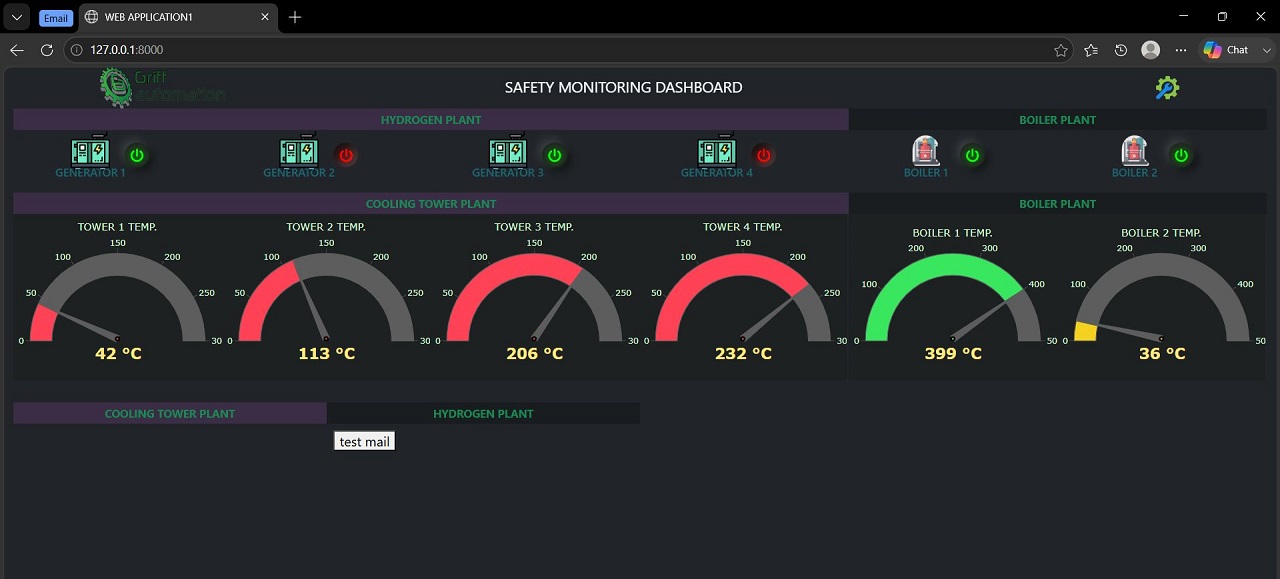
Industrial Internet of Things (IIoT) 4.0 transforms workplace safety by shifting from reactive maintenance to predictive safety monitoring. By using connected sensors, factories can predict machine failures before they cause hazardous accidents, toxic leaks, or structural failures
Core Pillars of IIoT Safety Monitoring
Predictive Asset Health: Vibration and thermal sensors catch internal component friction early, preventing catastrophic machine explosions, tool breakages, or flying debris
Environmental Hazard Tracking: Gas, humidity, and radiation sensors continuously evaluate air quality around dangerous machinery, initiating automatic shutdowns if toxic thresholds are crossed
Automated Safety Interlocks: Instead of relying on human reaction time, edge devices trigger instant emergency stops (E-Stops) the millisecond a critical anomaly is flagged.
Real-World Safety Use Cases
Pressure Vessel Monitoring: Acoustic emission sensors detect micro-cracks in high-pressure tanks, allowing safety teams to bleed pressure off before a structural rupture occurs.
Predictive Brake Monitoring: Thermographic cameras track heat buildup in overhead crane hoist brakes, preventing sudden load drops over heavy thoroughfares.
Rotating Equipment Tracking: Laser-based alignment sensors continuously monitor turbine shafts to suppress critical resonance issues that could tear equipment apart.
3] Energy Auditing :
IIoT 4.0

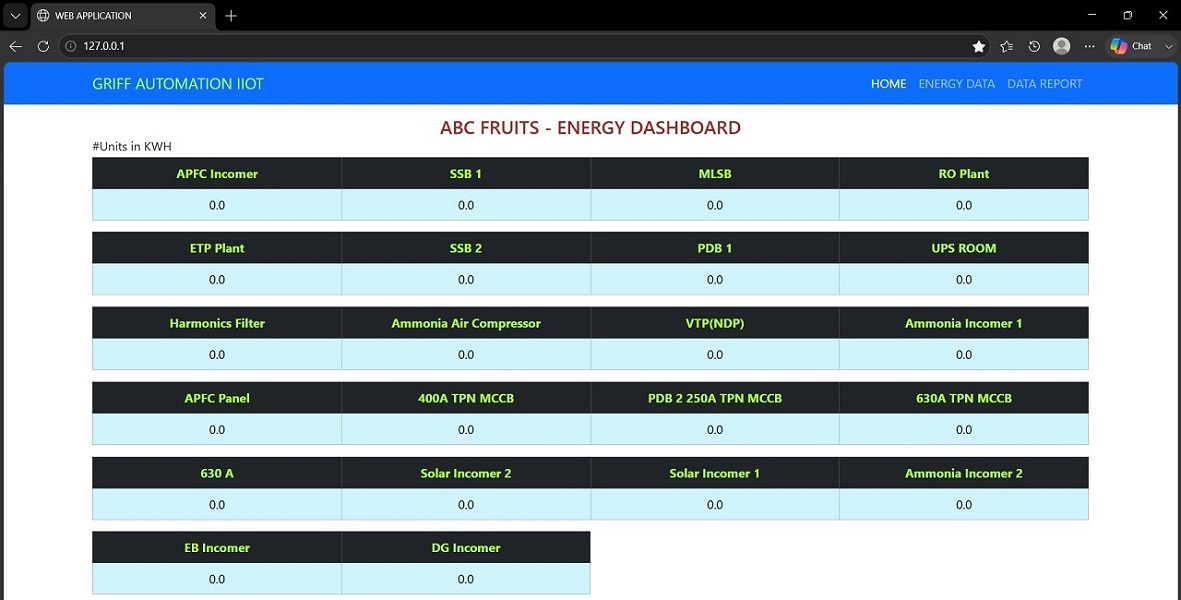
IIoT-driven energy management transforms traditional energy auditing from a periodic, manual paperwork exercise into a continuous, automated optimization strategy. By deploying connected smart meters, manufacturing plants can track exactly where every kilowatt-hour goes, eliminating waste and simplifying regulatory compliance.
Core Pillars of IIoT Energy Monitoring
Granular Power Tracking: Smart sub-meters move beyond the main utility bill to track electricity consumption at the specific machine, production line, or factory floor level
Power Quality Analysis: Sensors monitor volatile electrical parameters—such as voltage sags, surges, harmonics, and power factor—to protect sensitive electronics and avoid utility penalties.
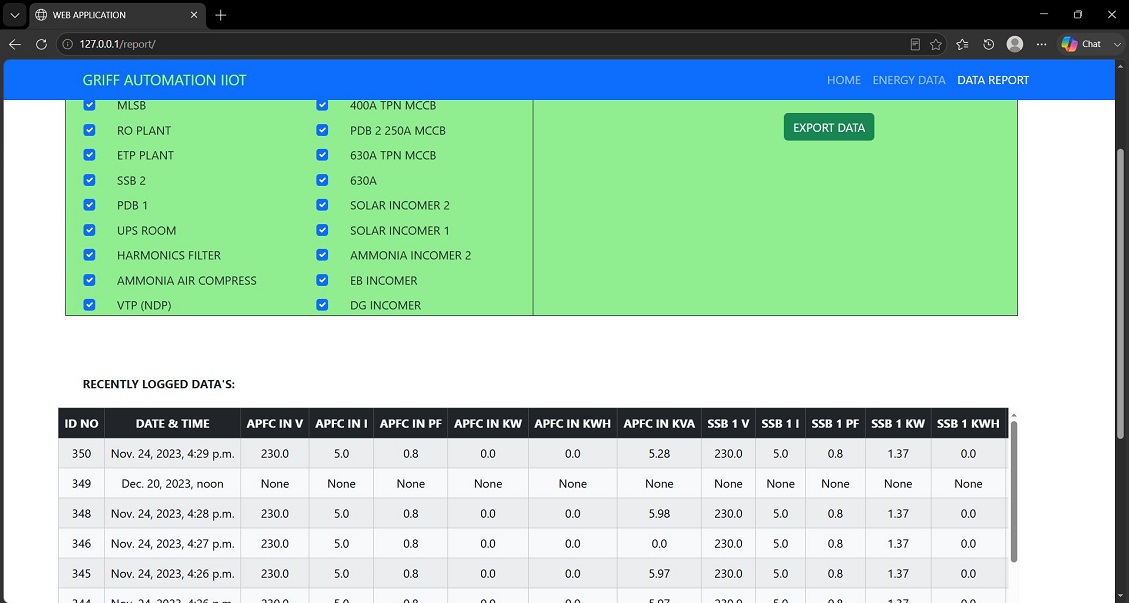
Continuous Audit Readiness: IIoT platforms automatically capture, log, and organize power data, instantly generating reports required for ISO 50001 certification or local environmental audits.
IIoT 4.0
High-Impact Use Cases for Plant Audits
Ghost Load Elimination: Identifying heavy machinery, compressed air systems, or HVAC units that draw significant power while idling during off-shifts.
Peak Demand Shaving: Setting automated threshold alerts that warn operators before the facility crosses peak demand limits, avoiding massive utility surcharges.
True Asset Efficiency Costing: Calculating the exact energy cost required to manufacture a specific product batch, allowing for highly accurate profit-margin calculations.
Predictive Energy Maintenance: Flagging an unexpected, gradual rise in a motor's power consumption, which typically signals mechanical friction, misalignment, or imminent failure.